The powertrain debate online runs on ideology, not information. EV advocates dismiss every concern as technophobia. Gas loyalists treat electrification as a political issue. Hybrid drivers get dismissed by both sides. Meanwhile, real buyers need to make a real decision about a purchase that will affect their daily life for the next six to ten years. Here's the version of that conversation that leaves out the noise and focuses on the factors that actually matter.
What Actually Separates These Three Powertrains
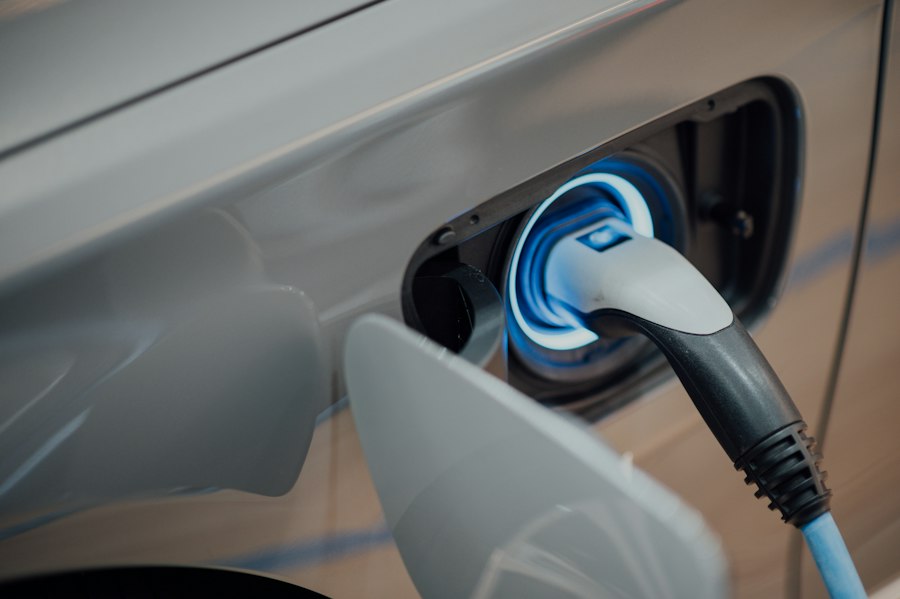
Strip away the marketing language and each powertrain has a straightforward profile. A gasoline engine is the most mature technology in mass-market transportation — inexpensive to repair anywhere, instant refueling, and zero range anxiety in exchange for fuel costs and regular maintenance. A full EV eliminates fuel costs and most routine maintenance but fundamentally changes how you think about refueling: range planning becomes part of longer trips, and home charging access determines whether the experience is convenient or frustrating.
A hybrid — whether traditional parallel hybrid or plug-in hybrid — lives between those two realities. It cuts fuel consumption significantly in urban driving without requiring any change to your refueling habits. A plug-in hybrid adds the option of running on electricity for short commutes while retaining full gas range for everything else. For a specific type of driver, that combination is genuinely better than either pure option.
The Questions That Actually Determine the Right Choice
Rather than starting with the technology, start with your driving reality. The right powertrain is determined almost entirely by the answers to a handful of concrete questions.
- What's your daily commute distance? — Under 40 miles round-trip with home charging access is where EVs pay off most clearly; over 200 miles per day on varied routes is where range becomes a real consideration
- Do you have reliable access to home charging? — This is the single most important variable for EV ownership; apartment dwellers without dedicated charging options face a fundamentally different experience than homeowners with a garage
- How often do you take long-distance trips? — Monthly highway trips of 300+ miles require more charging infrastructure planning with an EV; for drivers who take two or three road trips per year, this is a minor consideration
- What's your local charging infrastructure like? — Availability varies significantly by region; urban areas with dense fast-charger networks are materially different from rural areas with sparse coverage
The Real Economics: Purchase Price, Fuel, Maintenance, and Resale
Total cost of ownership comparisons between powertrains require honest accounting across all four categories. The sticker price is just the beginning.
EVs typically carry a higher purchase price than comparable gas vehicles, though the gap has narrowed. Operating costs run lower — home electricity is cheaper per mile than gasoline in most markets, and the maintenance list is shorter. No oil changes, no spark plugs, minimal brake wear thanks to regenerative braking. What replaces those costs is battery health monitoring and eventual battery degradation over time, which is covered by warranty for typically 8–10 years but becomes relevant beyond that period.
Hybrids generally cost more than their gas equivalents but less than EVs, and capture most of the fuel efficiency gains in urban driving where the electric motor does the most work. The total ownership math often lands favorably for hybrid buyers who drive significant city mileage and keep vehicles for seven or more years.
Gas vehicles remain the most predictable total cost option — purchase prices are well-established, repair costs are competitive and widely available, and there are no battery replacement questions to navigate. For budget-conscious buyers who prioritize simplicity and lowest total repair cost risk, the math on gas still works.
EV Range Anxiety: Real Problem or Overstated Fear?
The honest answer is: it depends entirely on your use case. For a driver who commutes 30 miles daily, charges at home overnight, and occasionally takes a road trip through well-charger-covered corridors, range anxiety is largely a non-issue. For a driver who travels frequently between cities with sparse fast-charger coverage, takes the vehicle to remote locations, or relies on public charging because home charging isn't available — range planning is a genuine daily consideration.
The most useful approach: look at where you actually drive, map the fast-charger availability along those routes, and be honest about whether your driving pattern requires infrastructure that doesn't exist reliably yet in your area. If it does, a plug-in hybrid covers that gap without compromise. If it doesn't, the concern likely evaporates in practice within a few weeks of ownership.
Used Market Dynamics: EVs, Hybrids, and Gas
For buyers considering a used vehicle, each powertrain presents a different set of considerations. Used EV prices have been volatile — substantial depreciation in the first two to three years created real value for used buyers, but battery health becomes an important factor to verify before purchase. A used EV with 80,000 miles and 85% battery capacity at year three is a different purchase than one showing 72% after the same mileage.
Used hybrids have generally held value well and represent lower risk than used EVs for most buyers — the battery systems are smaller, less expensive to service, and the vehicle retains full gas capability if battery issues arise. Used gas vehicles remain the most liquid and lowest-risk used purchase simply because the technology is the most understood and the repair ecosystem is the most competitive.
Making the Call
No powertrain is objectively correct. The framework that actually helps: be honest about your driving pattern, access to charging, typical trip distances, and budget for both purchase and long-term costs. A driver who ticks the boxes for EV ownership — home charging, moderate daily range, good local infrastructure — who continues driving a gas vehicle out of habit is leaving money and convenience on the table. A driver who doesn't tick those boxes who buys an EV based on enthusiasm will discover the friction points quickly.
The hybrid remains underrated as a transition choice: it requires nothing new from drivers while delivering meaningful efficiency gains, particularly for anyone who spends significant time in urban stop-and-go traffic. It's not the most exciting option, but for a specific driving profile, it's the most rational one.
Pick the technology that fits your life. The rest is noise.