Every enthusiast forum has the same argument on repeat: which aftermarket performance upgrades actually earn their keep, and which ones just look good in a parts-list screenshot? After years of watching builds go sideways and budgets disappear into parts that never delivered, the pattern is pretty clear. Some upgrades change how a car drives. Others change how it photographs. Here's how to tell them apart before you spend a dollar — and how to sequence the ones that are worth it so your money actually compounds instead of fighting itself.
The Upgrades Worth Your Money
The upgrades that consistently deliver share one trait: they fix a real limitation instead of chasing a spec sheet number. A cold air intake, a cat-back exhaust, or a set of performance brake pads all address something the factory setup genuinely compromises on for cost or noise reasons. That's why these parts show up again and again on dyno sheets and in long-term ownership reviews, not just in marketing copy.
These are the aftermarket upgrades that hold up under real-world use, not just on a spec sheet:
- Cold air intake. A quality intake lets the engine pull in denser, cooler air instead of fighting a restrictive factory box, which typically translates into modest but real gains in horsepower and throttle response, plus a noticeably better intake note.
- Cat-back exhaust system. Reducing back pressure from the catalytic converter back helps the engine exhale more freely. Expect a meaningful sound change and a small, honest power bump, especially when paired with other bolt-ons.
- Performance brake pads and rotors. This is the rare upgrade that's about safety as much as speed. Better pad compounds and slotted or drilled rotors cut stopping distance and resist fade far better than stock parts during hard driving.
- Coilovers or quality performance shocks. Suspension is where a car's personality actually lives. A well-chosen coilover kit tightens body control, sharpens turn-in, and can lower the center of gravity — all without the harsh ride of a cheap lowering spring kit.
- Performance tires. Every horsepower and every brake upgrade is filtered through four contact patches the size of your palm. Stickier, well-rated tires often do more for lap times and everyday confidence than any engine mod on this list.
- ECU tuning from a reputable shop. A professional tune adjusts air-fuel ratio, timing, and shift points to unlock power the hardware already supports, particularly on turbocharged engines. The key word is reputable — a bad tune can cost more in repairs than it ever saved in lap times.
Notice what these six have in common: each one solves a specific, well-documented shortcoming, and each has years of data behind it from real owners, not just from the box it came in. That track record is what separates a smart upgrade from an expensive guess.
Upgrades That Rarely Pay Off
For every upgrade that works, there's one riding on hype instead of engineering. These are the parts that show up in build threads with a lot of enthusiasm and not much dyno data to back them up. Some are simply cosmetic dressed up as performance; others are performance parts installed on the wrong car for the job they're meant to do.
Think twice before spending money on these — the return rarely matches the price tag:
- Rear spoilers on front-wheel-drive commuter cars. Downforce only matters at speeds most street cars never sustain, and on a FWD platform a rear wing does essentially nothing for handling. It's a styling choice, not a performance one, and that's fine as long as you're honest about it.
- Oversized turbo kits without supporting mods. Bolting on a turbo sized for double your car's stock power, without upgrading fueling, cooling, and the drivetrain to match, usually just shortens the life of your engine and transmission.
- Extremely low lowering springs with no other suspension work. Slamming a car to the pavement wrecks the geometry the factory engineers dialed in, and it often makes ride quality and even handling worse rather than better.
- Chrome or "universal" cat-back exhausts with no dyno testing behind them. A cheap exhaust can add drone and rattle without any real gain, and some are so restrictive in the wrong spots that they cost power instead of adding it.
- Aftermarket body kits bought purely for looks. Unless it's been wind-tunnel tested, a body kit is an aesthetic upgrade. There's nothing wrong with wanting one, just don't budget it as a performance part.
None of this means these parts are worthless — plenty of them make sense for a dedicated show car or a track-only build. The problem is spending performance dollars on parts that were never designed to earn them back in performance.
Order Matters: Build a Foundation First
Even the right parts underperform when they're installed in the wrong order. Chasing bigger power numbers before your brakes, tires, and suspension can handle that power is how quick cars become scary cars. A shop-quality build usually follows tires and brakes first, suspension second, and power-adders last — the same sequence race teams have used for decades because it keeps the car controllable at every stage of the build, not just at the finish line.
It's also worth checking your maintenance basics before spending on upgrades at all — worn engine oil or a neglected service schedule will blunt any power gain you paid for. If you haven't reviewed your car maintenance routine recently, that's a five-minute check that protects every dollar you spend afterward. The same logic applies to choosing the right tires for your driving style before layering on brake or suspension work — tires are the one upgrade every other part on this list depends on.
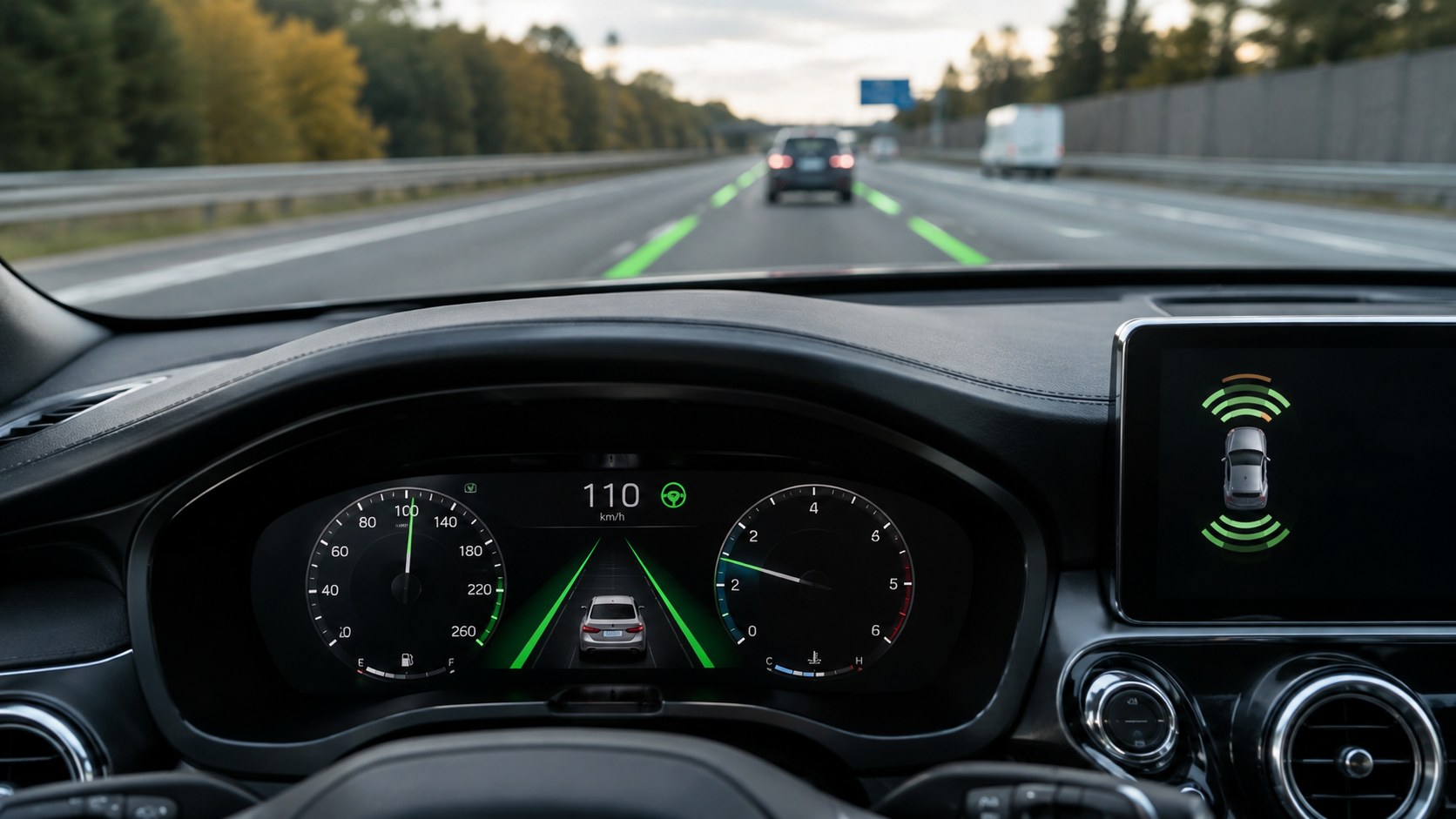
A simple budgeting trick that keeps builds honest: set aside roughly a third of your total upgrade budget for tires and brakes before you let yourself shop for anything with a horsepower number attached. It feels less exciting than ordering an intake, but it's the difference between a car that's faster and a car that's faster and still controllable when it matters. It's the same reasoning that applies to modern safety tech — knowing what your car's driver-assistance systems actually cover matters just as much once you start pushing the car harder.
Bottom Line
The upgrades that are actually worth the money are the ones that fix a documented weak point — intake, exhaust, brakes, suspension, tires, and a professional tune, in roughly that order of priority. The ones to skip are the parts chosen for how they look in a photo rather than how they perform on the road. Spend on the fundamentals first, keep receipts and installation notes for resale value, and let the car tell you what it actually needs next instead of chasing every part on a wish list at once.